As the movie business becomes increasingly fragmented, it's almost foolish to create a list of 10-best movies for 2022 or any other year. Compiling such a list is more habit than anything else because it has become impossible to keep up with all movies released on all platforms.
In September of 2022, for example, some 28 documentary features were released in one form or another and that's not counting documentary series.
I know that it won't take long before I find movies I haven't seen on the 10-best lists of other critics. That's the way of things these days.
So I preface this 10-best list with a cautionary note. These movies are among those that I most admired and enjoyed in the universe of movies that I was able to explore.
I didn't think about it while making this list, but as it turns out, five of the 15 films mentioned here (including honorable mentions) were directed by women. Moreover, seven of the listed films had women as their main character.
Meaningful or just a coincidence of this particular year? Only time will tell.
Oh well, meaningful or not, old habits are difficult to break, so here's my list.
1. The Banshees of Inisherin
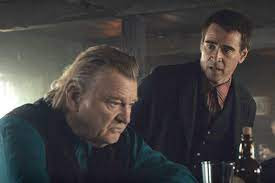
A rueful Irish tale about a broken friendship between two men played by Colin Farrell and Brendan Gleeson. Writer/director Martin McDonagh took his story in a shockingly unexpected direction, leaving us to mull all that we'd witnessed.
2. EO
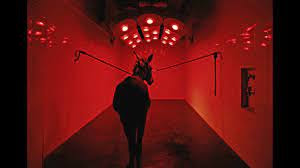
Director Jerzy Skolimowski tells the story of a forlorn donkey whose adventures cast a profound light on the relationship between humans and the animal life of our beleaguered planet. Heartbreaking and beautiful moviemaking.
3. Tar

Sophisticated, provocative and fueled by Cate Blanchett's fierce performance as a famous conductor, Tar gave director Todd Field a platform from which he could orchestrate a compelling drama about genius-level talent, power and its abuses.
4. Aftersun

I can't think of many child performances better than the one Frankie Corio gives in this story about a dad (Paul Mescal) who takes his 11-year-old daughter on a Turkish vacation. Director Charlotte Wells took a relaxed but revealing look at the way a woman remembers the father she didn't really know.
5. Till
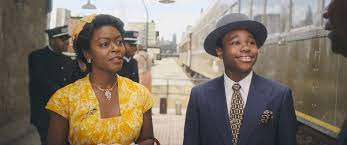
Director Chinonye Chukwu smartly builds the story of the 1955 murder that sparked the Civil Rights movement around a fiercely illuminating performance from Danielle Deadwyler, who plays the grieving determined mother of 14-year-old Emmett Till. Solid moviemaking.
6. Top Gun: Maverick

Few expected Tom Cruise to score big with a sequel to a movie that opened in 1986. But Cruise and director Joseph Kosinski shrewdly surrounded the star with an appealing young cast led by Miles Teller. A movie about Navy pilots and the military? Partly. But this one's really about star-driven entertainment that delivers.
7. Nanny and Pearl


I hate doubling up on a 10 best list but these two horror movies feature strong work from cast and crew -- and, more importantly, were about something more than jump scares. Nanny gave director Nikaytu Jusu an opportunity to explore the relationship between a Senegalese immigrant and the liberal whites who hire her to take care of their daughter. Second in a series from director Ti West, Pearl features an astonishing performance from Mia Goth as an ambitious, sexually awakened woman consigned to a dreary life. Both movies show what can be done when horror meets with a bit of artistic aspiration.
8. Happening

This French movie reached US shores at a time when few topics felt more incendiary and relevant than abortion. Director Audrey Diwan tells the story of a 23-year-old student (Anamaria Vartolomei) who hopes to become a writer. A one-night stand leaves Vartolomei's Anne pregnant. The year: 1963 and abortion is illegal in France. This keenly focused movie shows the obstacles Anne must surmount to obtain an abortion. The result: Powerful and honest moviemaking.
9. Decision to Leave
It took me a while to warm up to director Park Chan-Wook’s tangled, complex take on film noir. Park (Old Boy) has little interest in creating a straightforward narrative but his subject is familiar: a married detective who holds himself in high regard (Park Hae-il) falls for a Chinese woman (a great Tang Wei) who’s a suspect in a murder investigation. Cliched? Yes, but Park’s artfully fractured narrative pushes deep into the lives of the detective and his “prey.” Park isn’t so much telling a story as examining a provocative question: Can a lover ever be fully known?
10. Emily the Criminal

Aubrey Plaza hits the target with a drama about an aspiring artist whose felony record locks her out of the job market. Director John Patton Ford, who also wrote the screenplay, engineers a crime story that makes Emily part of a credit card fraud scheme. Plaza's performance burns through some late-picture improbabilities and turns this LA-based movie into a winner.
Honorable Mentions
1. After Yang

Korean-born director Kogonada displays a deeply developed aesthetic sense in this meditative look at a family's attachment to an android known as a “technosapien.” A restrained Colin Farrell creates the perfect character for the movie's transfixing calm.
2. Official Competition

Argentine directors Gaston Duprat and Mariano Cohn's entertaining, funny comedy focuses on a movie director (a terrific Penelope Cruz) who exacerbates and toys with conflicts between two of her actors (Antonio Banderas and Oscar Martinez).
3. Marcel the Shell With Shoes On

4. Both Sides of the Blade

Director Claire Denis looks at a successful woman (Juliette Binoche) who becomes involved in a love triangle. Vincent Lindon and Gregoire Colin portray the men in a story that finds Binoche's Sara trying to negotiate two sides of a romantic coin while resisting the tug of her personal history.


